
Stock Up Smart: Buy Ammo by the Case and Lock In Today’s Best Price
Ammo by the case is simply buying your ammunition in bulk—typically 500 to 1,000 rounds or more—packed in a single sturdy box or crate. It works by giving you a single, cost-effective purchase that spreads the price per round lower than individual boxes, so you save money without changing how you shoot. For you, this means fewer trips to the store, less per-box price anxiety, and a ready supply that lets you practice or train whenever you want, without the stress of running low. Just store the case in a cool, dry place, and you’ll have dependable, consistent ammo on hand for every range day.
Why Buying in Bulk Cases Saves You More Than Money
Buying ammo by the case saves you more than money because it secures inventory stability. Bulk cases protect your training and defense readiness by ensuring you have identical lot numbers, which provides consistent accuracy and point of impact across every round—critical for zeroing optics or competing. Instead of mixing batches with varying velocities, a case eliminates the need to re-verify your rifle’s performance. Additionally, having a large reserve means you can practice regularly without worrying about temporary shortages, so your skills don’t degrade due to a lack of trigger time. The savings extend to your range sessions, as you won’t burn fuel or make multiple trips chasing sporadic box purchases.
One case effectively buys you the freedom to shoot on your schedule, not the market’s.
This logistical convenience directly reduces wasted hours and wasted ammo, making your investment stretch further in both performance and peace of mind.
How Per-Round Costs Drop When You Purchase a Full Case
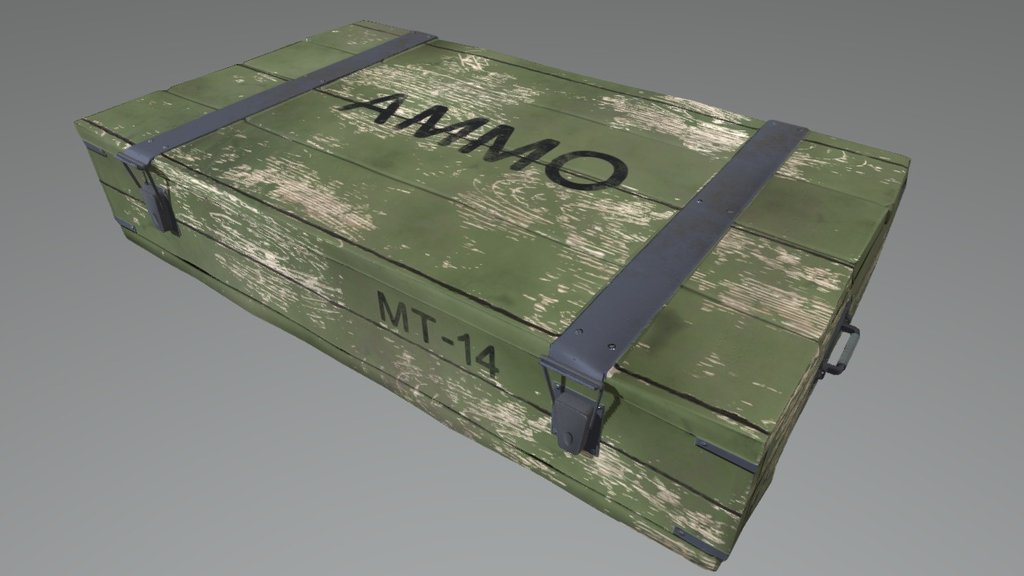
When you buy ammo by the case, the price per box isn’t just slightly cheaper—it drops noticeably because manufacturers and retailers price full-case purchases at a wholesale tier. That 20-round box of defensive rounds might run $1.10 per round individually, but a 1,000-round case often lands around $0.85 per round. The savings stack from three places: bulk packaging cuts handling costs, you skip small-order shipping fees that get amortized across fewer rounds, and retailers pass on volume discounts they get from distributors. Over a full case, those pennies per round turn into $50–$150 back in your pocket compared to buying the same count in boxes.
- Per-round price drops because the case price is set at a lower margin tier than single boxes.
- Shipping is a flat fee per order, so spreading it across 1,000 rounds (not 50) cuts cost per round 9×18 Makarov Ammo for Sale significantly.
- Retailers often include free shipping or extra discounts when the order hits case quantity, further lowering your cost per 7mm Rem Ultra Mag Ammo for Sale round.
The Hidden Benefit of Consistent Lot Numbers for Accuracy
Buying ammo by the case locks you into a single production run, and that’s where the hidden accuracy payoff lives. Each lot number carries identical powder charges, bullet weights, and case dimensions, so your zero stays true from the first box to the last. Mixed lot numbers force you to re-confirm impact points constantly, since tiny variations shift POI. With one lot, you verify your data once and trust it. Consistent lot numbers give you repeatable precision without extra range time. Track your lot number on the case label, then:
- Record it in your logbook alongside your zero.
- Reserve that lot for matches or hunting, not plinking.
- Buy the same lot again before it sells out.
Ammo Storage Life: What a Sealed Case Actually Protects
A sealed case’s real job is shielding your rounds from the two quiet killers: humidity and temperature swings. The factory box and thick plastic wrap keep moisture out, which stops corrosion on the brass and primers—the main reason ammo fails to fire later. That tight seal also locks in consistent pressure by preventing powder degradation from oxygen exposure. For bulk buyers, this means your stash stays as reliable as the day it was packed, even after years in a cool, dry closet. Properly sealed bulk ammo essentially freezes its shelf life, so you’re not just saving cash—you’re saving performance for the range or a real need.
What’s Inside a Standard Case and How to Decode the Packaging
A standard case of ammo is more than a cardboard box; it’s a logistics puzzle. Inside, you’ll typically find 500 to 1,000 rounds, but not loose—usually packed as 50-round boxes nested in a master carton. **Decoding the packaging** starts with the end flap: the caliber, bullet weight (e.g., 115-grain), and round count are printed there, but so is a lot number for traceability. Look for the “30-06” or “9mm Luger” 9.3x62mm Mauser Ammo for Sale designation—this is your critical cross-check against the internal boxes. Don’t ignore the factory seal; a broken one means repacked or returned goods. **What’s inside a standard case** also includes a divider tray or foam spacer to prevent bullet setback during transit. The outer label’s “AP” or “SP” code tells you projectile type. Master that code, and you can verify the load without breaking the seal.
Common Case Sizes: 500, 1000, and 2000-Round Configurations
Cases are most commonly packaged in 500, 1000, and 2000-round configurations, each serving a distinct purchase logic. A 500-round case suits short-range sessions or carbine classes, offering portability without committing to a heavy bulk buy. The 1000-round case is the efficiency sweet spot, balancing per-round savings against manageable storage space, and often arrives as five 200-round boxes or ten 100-round boxes. The 2000-round configuration maximizes cost-per-round reduction, but forces you to evaluate shelf footprint and weight—typically over 40 pounds for 9mm. Decoding packaging means checking the case’s internal divisions: 500-round cases usually split into smaller 50-round boxes, while 2000-round cases may use loose-packed bags or sealed 20-round trays, altering reloading logistics and range-bag fit.
Q: Which case size offers the best compromise between storage ease and price per round?
A: The 1000-round configuration delivers the optimal balance. It reduces per-round cost roughly 10-15% versus 500-round cases without the unwieldy weight and bulk of 2000-round options, making it the default for most shooters with standard shelf space.
Reading the Label: Grain Weight, Bullet Type, and Velocity Markings
When buying ammo by the case, the label’s grain weight, bullet type, and velocity markings define your ballistics before you fire. Grain weight (e.g., 115gr vs. 147gr) dictates recoil impulse and muzzle energy; lighter grains favor flat trajectories, while heavier grains penetrate deeper. Bullet type—FMJ, JHP, or polymer-tip—tells you whether the round expands, fragments, or 9.3x72R Ammo for Sale punches clean holes, which matters for target versus defensive use. Velocity markings (fps) on the box indicate pressure and barrel length assumptions; shorter barrels often drop 50–100 fps from the printed number. Always verify these specs against your firearm’s twist rate, as a mismatched bullet weight can degrade accuracy noticeably.
Q: Why does grain weight on a case label matter if the box says “same caliber”?
A: Grain weight changes chamber pressure and barrel timing—switching from 124gr to 147gr in a case lot alters point of impact, so match your zero to the exact label before bulk storage.
Factory Seals versus Resealable Boxes: Which Guides Your Choice
When buying ammo by the case, the factory seal versus resealable box decision hinges on how you prioritize verification against convenience. A sealed case, often with an outer tape or shrink wrap, proves the ammunition hasn’t been opened or swapped, which matters if you demand absolute confidence in lot consistency. Resealable boxes, common in bulk packs, let you inspect a few rounds immediately or pull a partial load for the range without breaking a full case’s integrity. However, a resealable box offers no proof against tampering after initial opening, so you must rely on your own inspection habits. For long-term storage or resale, factory seals protect value; for frequent, mixed-use shooting, resealables win on practicality. Your choice should match your primary goal: integrity assurance or daily access.
Factory seals confirm untouched provenance, while resealable boxes trade that guarantee for quick, repeated access—so pick based on whether you prioritize verification or convenience.
Choosing the Right Bulk Caliber for Your Firearm and Purpose
Choosing the right bulk caliber starts with matching the cartridge to your firearm’s design and your primary use case. For high-volume training or competition, a cheaper, low-recoil round like 9mm or .223 Remington maximizes practice time per case without punishing your shoulder or wallet. Conversely, if you’re stocking a case for hunting or long-range precision, invest in heavier, flatter-shooting calibers like 6.5 Creedmoor or .308 Win—where consistency per round matters more Ammunition for Sale than count. Always verify your barrel twist rate and magazine capacity before committing to a full case order, as a mismatch wastes both money and storage space.
A bulk purchase only pays off if the caliber feeds flawlessly in your specific gun, so test a box first.
For defensive ammo, prioritize reliable expansion over raw volume, but for blasting steel or drills, quantity wins. Commit to one caliber per platform to simplify logistics and keep your ammo reserve versatile yet focused.
Matching Case Purchases to Your Gun’s Specs and Intended Use

Before committing to a bulk order, verify your firearm’s chamber marking and barrel twist rate, then match the bullet weight and profile to that specification for reliable feeding and stabilization. For a 1:7 twist AR-15, a case of 62-grain or 77-grain loads performs better than 55-grain for precision; for a 1:12 twist, stick to lighter projectiles. Next, align the purchase with intended use: choose soft-point or bonded bullets for hunting to ensure expansion at typical distances, while full metal jacket cases suit high-volume target practice. A single case of mixed-purpose ammunition rarely serves both precision and defensive needs, so prioritize one role per order. Follow this sequence: confirm chamber and twist, define primary use (target, hunting, or defense), then select bullet type and velocity range before buying.
Full Metal Jacket vs. Hollow Points for Practice and Defense
When buying ammo by the case, your split between Full Metal Jacket (FMJ) and Hollow Points (HP) defines your entire shooting strategy. FMJ rounds, with their solid copper jacket, are your affordable, high-volume training workhorses—they feed reliably and let you burn through a case without burning cash, but they punch clean holes with minimal stopping power. Hollow Points, conversely, expand on impact, dumping energy into a threat, which makes them non-negotiable for your defensive case; their cost and complexity mean you should practice with them sparingly, just enough to verify your carry loads feed and shoot to point of aim. The smart move? Stock a full case of FMJ for practice and a separate, smaller case of HPs for serious defense.
Q: Can I just use FMJ for defense to save money?
A: Technically, yes, but you risk over-penetration and insufficient tissue damage. Hollow Points are the proven choice for stopping threats. Reserve FMJ for drills, and keep your HP case loaded for when it counts.
How to Estimate Your Monthly Consumption Before Ordering Big
Before ordering bulk ammo, estimate your monthly consumption by logging your actual range sessions for 30–60 days. Count rounds fired per visit, then multiply by your average weekly trips. Factor in dry-fire practice, zeroing sessions, and any upcoming matches or classes. Monthly consumption estimates should also account for caliber-specific needs, like higher round counts for competition versus precision rifle loads. A practical sequence is: track your baseline, add a 10–15% buffer for unexpected practice, then divide your desired case quantity by that adjusted monthly figure. Most shooters overestimate their true monthly usage by almost a third, so verify with real data rather than optimism. Finally, check your storage limits and budget to avoid tying up cash in rounds you won’t shoot within six months.
Practical Tips for Handling, Rotating, and Storing Your Bulk Supply
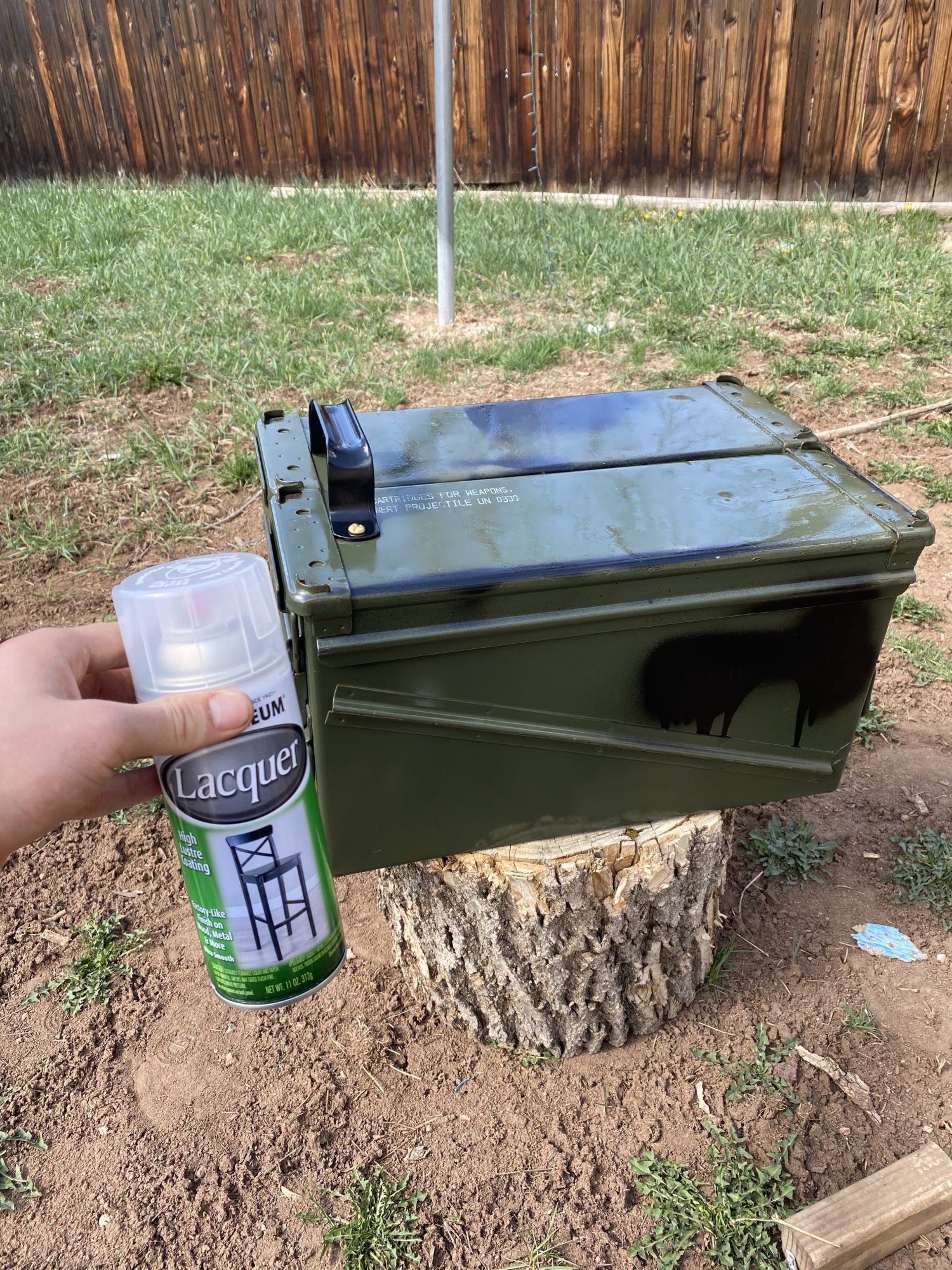
When your ammo by the case arrives, resist the urge to toss boxes into a closet. First, inspect every fifth box for bulging primers or loose projectiles before stacking—damaged rounds can shift and cause pressure issues. Rotate rigorously: place new cases at the back of your shelf, pulling older stock to the front for range days. Use the “first-in, first-out” rule religiously, even if it means breaking a full case early. For storage, keep bulk supply off concrete floors; use a pallet or plastic shelving to prevent moisture wicking. Add a desiccant pack inside the case’s outer cardboard, but avoid airtight sealing—ammo needs slight airflow. Every three months, spin the cases 180 degrees to prevent bullet setback from uneven pressure. Label each case with purchase date and lot number in permanent marker, then redistribute weight so heavy cans stay low and stable.
Best Practices for Rotating Inventory to Avoid Old Ammo Issues
For bulk ammo purchases, implement a strict first-in, first-out (FIFO) rotation. Stack new cases behind existing stock, and physically move older cases to the front after each delivery. Write the purchase date on every case with a permanent marker. Schedule a quarterly inspection to pull the oldest boxes and cycle them through a range session or dry-fire practice, ensuring your shooting routine consumes the oldest ammunition first. Store each case with a desiccant pack and note any discoloration or primer issues on the label for future reference. Avoid opening multiple cases simultaneously; finish one box from the oldest case before breaking the seal on another. This prevents forgotten partial cases from aging unevenly. Finally, keep a simple logbook or spreadsheet tracking the case number, purchase date, and expected rotation month to prevent old ammo degradation. 7mm Rem Mag Ammo for Sale Consistent rotation ensures your bulk supply remains reliable for years.
Controlling Humidity and Temperature for Long-Term Case Storage
For ammo by the case, controlling humidity and temperature means keeping the storage environment stable—ideally below 70°F and between 30–50% relative humidity. Desiccant packs or electric dehumidifiers inside sealed cases prevent moisture from corroding primers and brass. Avoid attics or garages where daily temperature swings cause condensation inside the case. Use a hygrometer to monitor the microclimate; if humidity spikes above 50%, replace silica gel or add a rechargeable dehumidifier rod. Store cases off concrete floors on a pallet. Thermal cycling degrades powder faster than steady warmth, so insulate the room.
Q: How often should I check humidity inside stored ammo cases? A: Inspect the hygrometer at least monthly, and re-evaluate desiccants every quarter—sooner if the case feels cool to the touch during summer.
How to Split a Case Efficiently with Friends Without Damage
Splitting a case with friends is easy if you bring a flat, sturdy table and a digital scale before anyone cracks specialty sports and supply a box. First, lay out all boxes in a grid, count total rounds, then divide by the number of people—usually by box, not by loose rounds, to keep factory seals intact. Weigh each box and swap heavier ones with lighter ones until everyone’s total weight matches within a few grams. For odd remainder rounds, use a small ziplock bag per person, never dump loose ammo back into a box. Open only one box at a time, and close the case lid between grabs so nothing spills. *Stack the split piles in separate ammo cans or reusable trays immediately, so nobody accidentally double-dips.
Common Mistakes to Avoid When You Buy a Full Case for the First Time
First-time case buyers often grab the cheapest option without checking if it matches their firearm’s chambering—buying a full case of .223 for a .556 gun is a classic headache. Another blunder is ignoring the primer type; a case of Berdan-primed ammo won’t reload well if you expected Boxer. You also need to inspect the case’s seal and packaging—damaged trays or loose rounds mean moisture got in, ruining powder. Don’t assume “bulk” equals “same lot”—mixed lots cause inconsistent accuracy, so ask the seller before committing. Finally, store that heavy case properly; leaving 6mm Remington Ammo for Sale it on a concrete floor in a damp garage invites corrosion. Quick Q&A: “Should I test a single box before buying the full case?” Absolutely—if the first box feeds and groups poorly, you’re stuck with 500 rounds of frustration.
Overlooking Shipping Weight and Handling Costs at Checkout

When you buy a full case of ammo, the listed price rarely reflects the true cost of delivery, as ammunition’s density makes shipping weight and handling costs at checkout the largest hidden variable. A 1,000-round case of 9mm can weigh 25–30 pounds, pushing orders into higher freight tiers or triggering bulky-package surcharges that double the per-round price. Always verify the total with shipping included before committing, and compare whether flat-rate boxes or calculated carriers offer better value for your zip code. Case weight also affects delivery timing, as heavy packages may be routed via ground instead of air, adding days to arrival.
- Calculate cost per round *after* shipping by dividing final total by cartridge count.
- Check if the retailer uses dimensional weight, which can inflate fees for bulky but lighter calibers like .223.
- Bundle multiple cases in one order to amortize the base handling fee, but watch for weight breakpoints that trigger pallet surcharges.
Ignoring Your Gun’s Preferred Bullet Weight for Accuracy
When you buy ammo by the case, ignoring your gun’s preferred bullet weight is a costly accuracy gamble. Your barrel’s twist rate dictates which grain stabilizes best, and a 1:7 twist may hate 55-grain loads while adoring 77-grain match rounds. Before committing to a full case, test a few boxed weights to find the tightest grouping. Once you lock onto that winning grain, the case purchase becomes a reliable, repeatable investment. Otherwise, you’re stuck with hundreds of rounds that print sloppy patterns. Matching bullet weight to your twist rate is the only way to ensure case-level consistency. Follow this sequence:
- Check your barrel’s twist rate in the manual or online.
- Buy sample boxes across 3–4 nearby grain .50 Cal Ammo for Sale weights.
- Shoot groups at your intended distance and measure accuracy.
- Order the full case only of the best-performing weight.
Forgetting to Verify Case Lot Date and Freshness Before Use
When you buy a full case, ignoring the lot date and freshness is a silent gamble with your firearm’s reliability. Ammunition stored for years, especially in fluctuating temperatures, can develop weakened primers or powder degradation, leading to duds and hangfires. Verifying the case lot date before purchase protects you from acquiring rounds that have lost their ballistic consistency, turning a cost-saving bulk buy 9mm Ammo for Sale into a frustrating range session. Always ask the retailer for the manufacture date on the box or stamped pallet, and reject any case lacking a clear, traceable lot code. Fresh batches ensure uniform pressure and velocity, preserving both accuracy and your weapon’s integrity.
